Resume templates for the US
In the US, a job application needs a resume: a short, focused summary of your experience, usually one page, two at most. (A CV is a longer academic or medical document.) American resumes are printed on US Letter paper, lead with results, and leave out photos, dates of birth and references.
Most US employers screen applications with an applicant tracking system (ATS) before a person reads them, so the single-column templates below are the safest choice for online applications. The two-column ones are best when you email your resume to a recruiter or hand it over in person. Each one works on US Letter (switch paper size with one click if a template opens on A4). Edit free online, then download a PDF and an editable Word file, with a matching cover letter.
Free to edit online. US$12 one-off to download, with no subscription.
What US employers expect
- Length
- One page if you have less than about ten years of experience; two pages for senior roles. Recruiters scan the first page in seconds.
- US Letter paper
- Use 8.5 × 11 inch Letter, not A4. Most US printers and hiring systems expect it.
- No photo or personal details
- Leave out your photo, date of birth, age, marital status and religion. Equal employment opportunity laws mean employers avoid seeing these, and some screen out resumes that include them.
- No references
- Don’t list references or write “References available upon request”. Keep a separate reference list ready for when an employer asks.
- Work authorization
- If your status could be unclear, add a line such as “Authorized to work in the US for any employer” or note your visa, for example “F-1 OPT, eligible through 2027”.
- Contact details
- Name, phone, email, LinkedIn and city and state. You don’t need a street address.
Templates that suit US applications
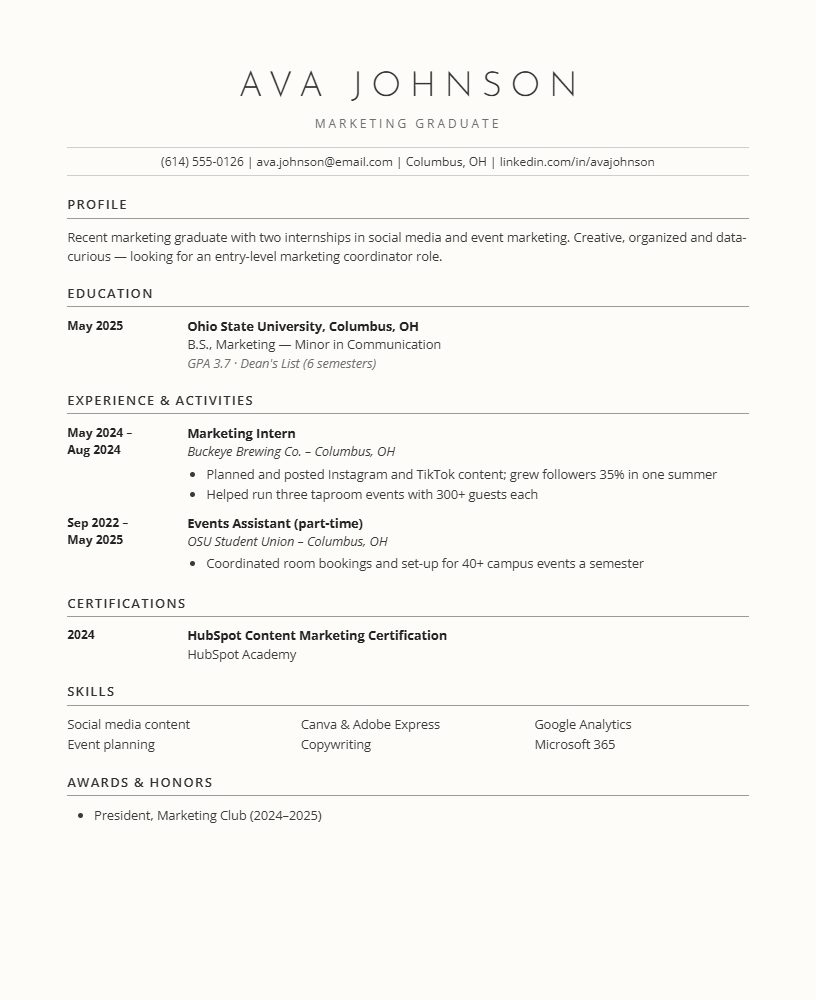
Made for US college students: dates in a left column, education first, one page.
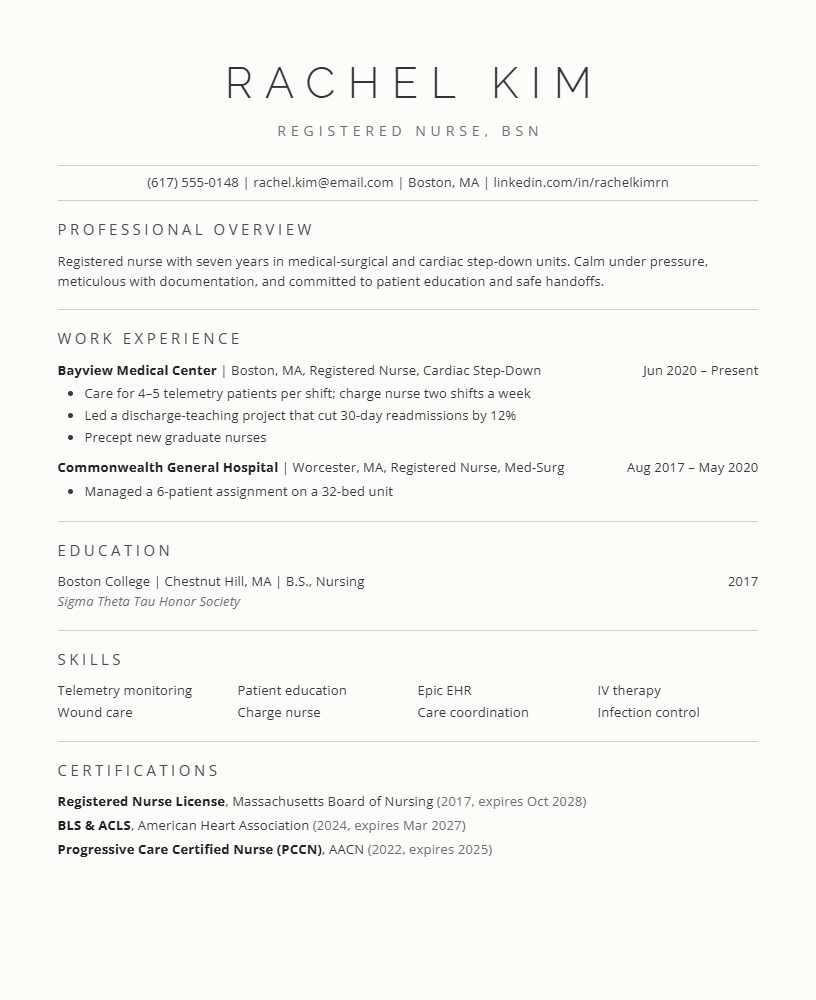
A safe single-column layout for RNs, healthcare and large employers with strict ATS screening.
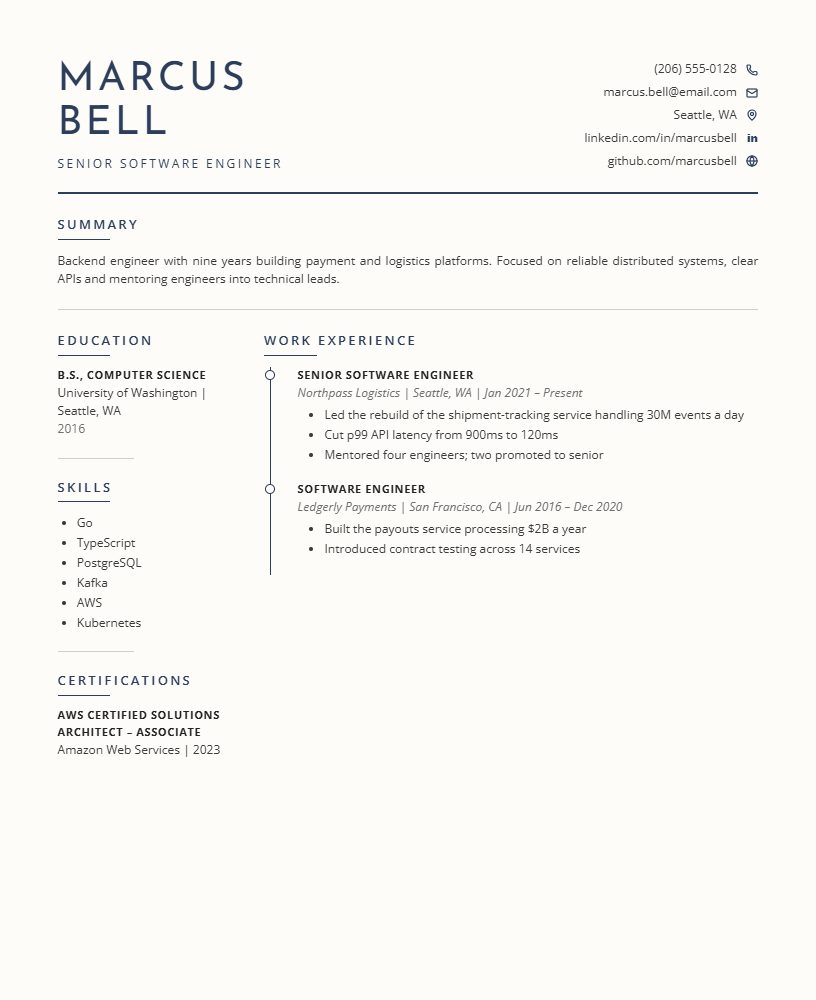
Shows promotions and contracts at a glance, for software engineers.
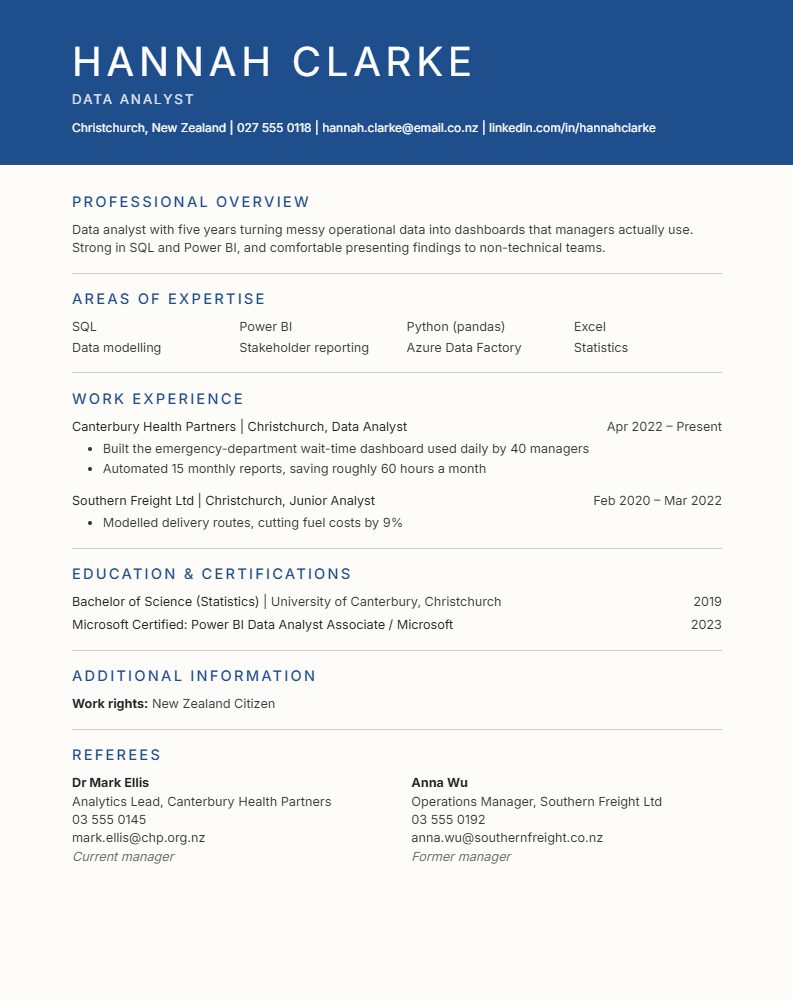
Structured and dense, for data analysts and BI specialists.
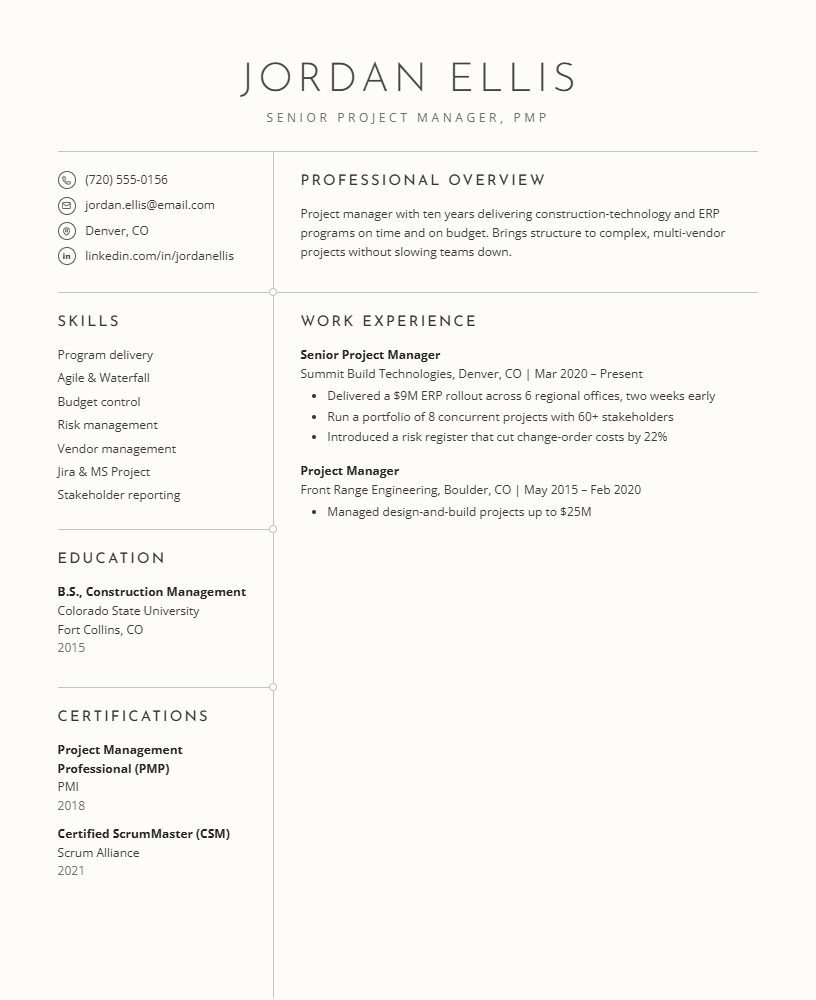
Organized and systematic, for project managers with a PMP or Scrum certification.
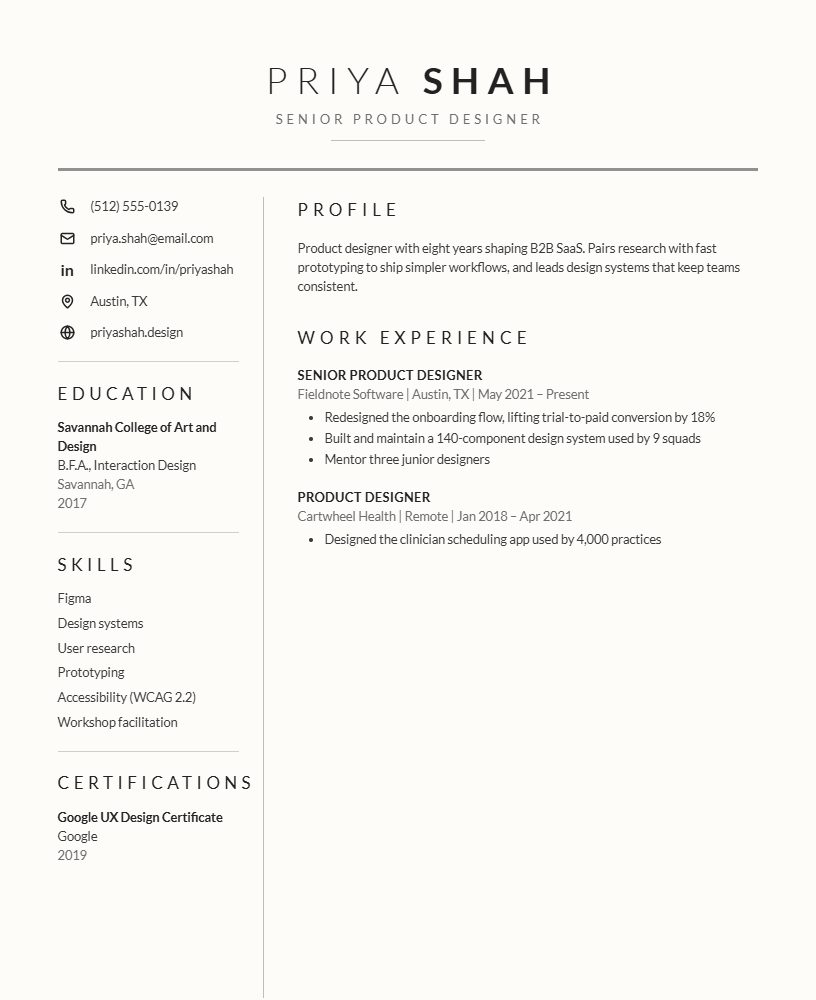
A slim sidebar and plenty of white space for designers and product people.
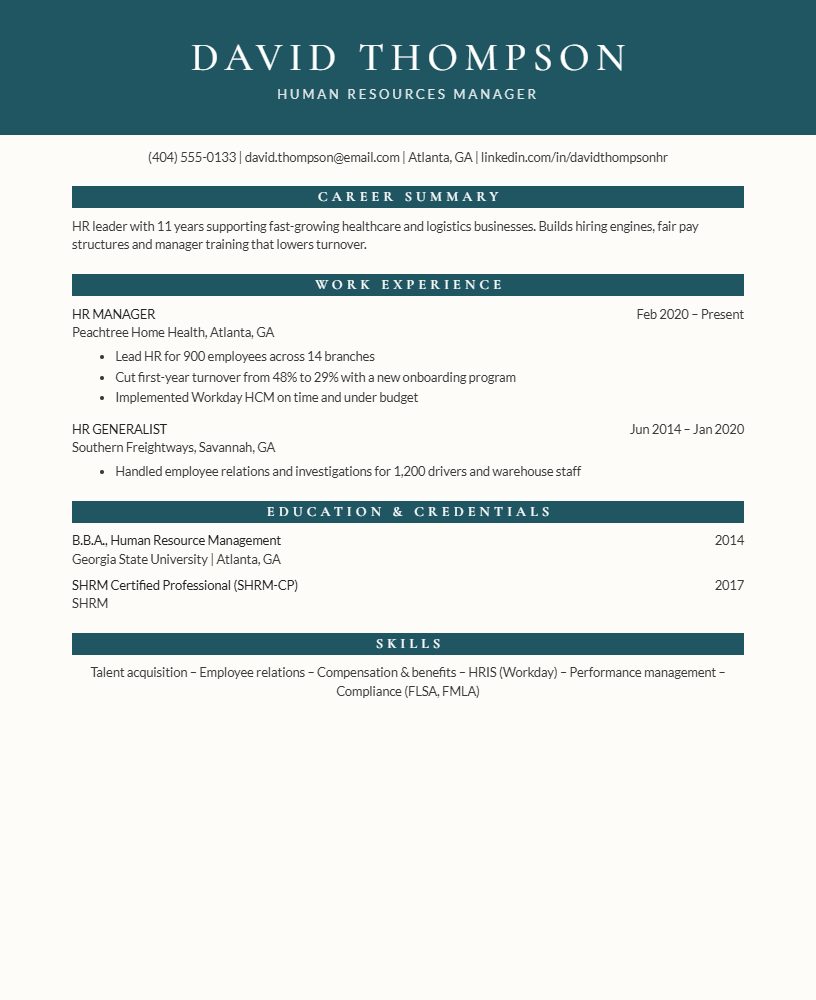
Strong structure for HR, recruiting and people operations, with room for SHRM credentials.
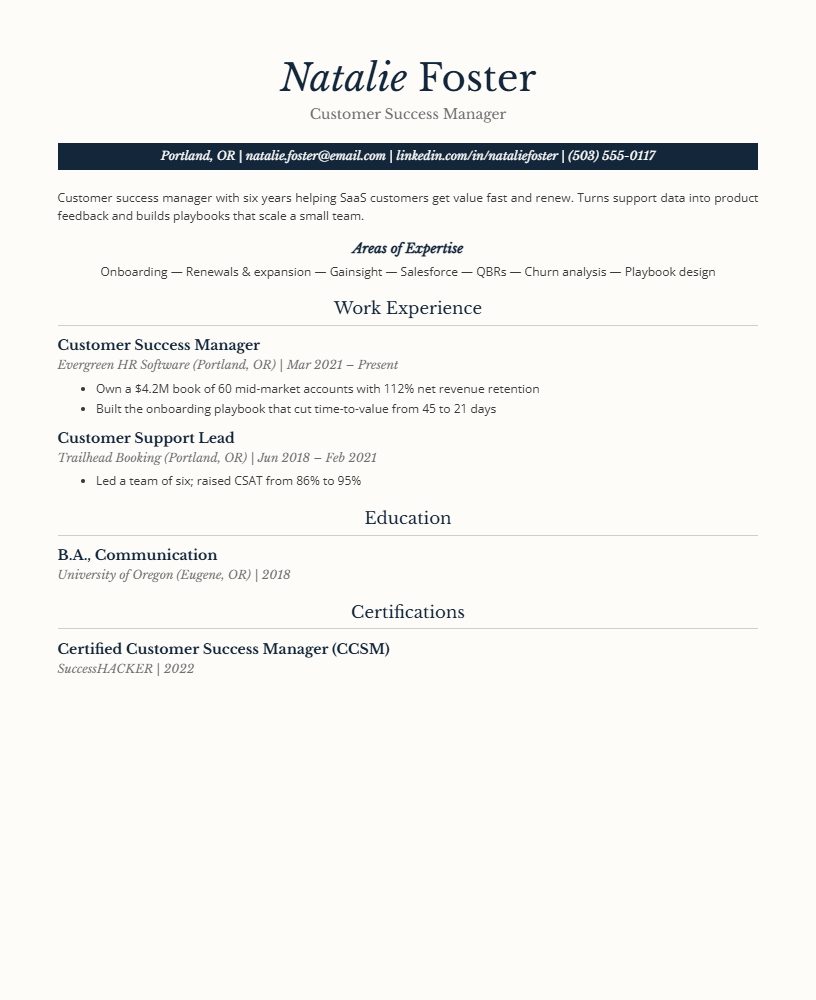
Warm and personable, for sales, account executives and customer success.
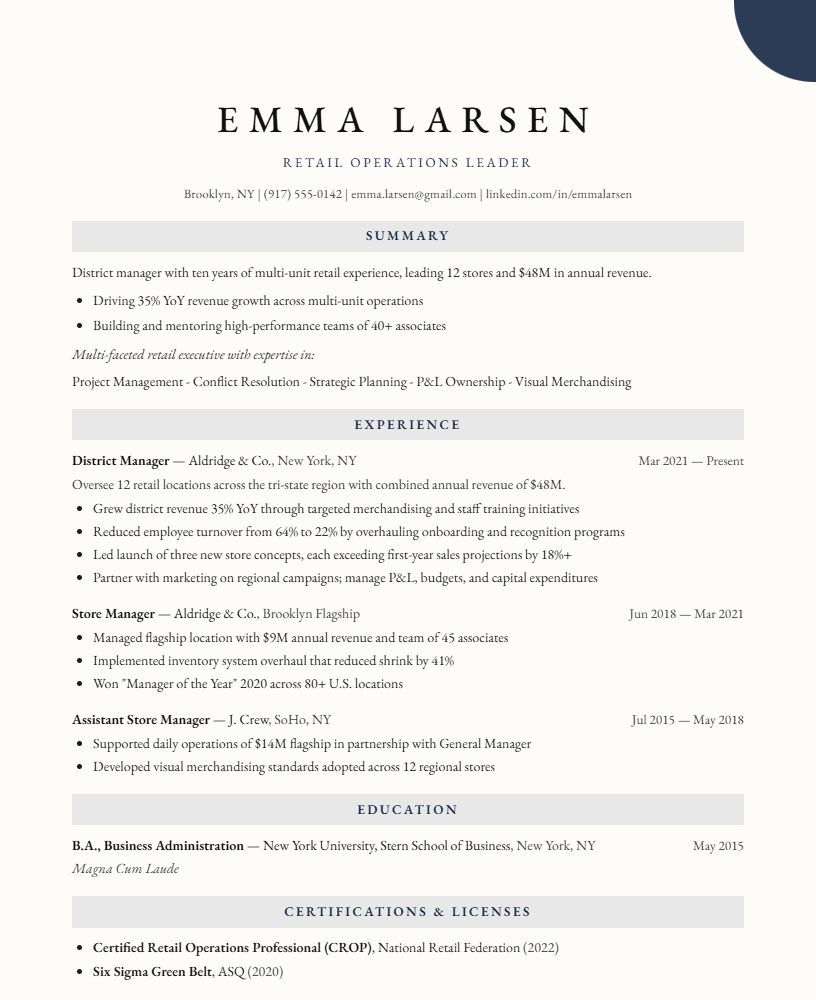
Formal and centered, for directors and senior managers.
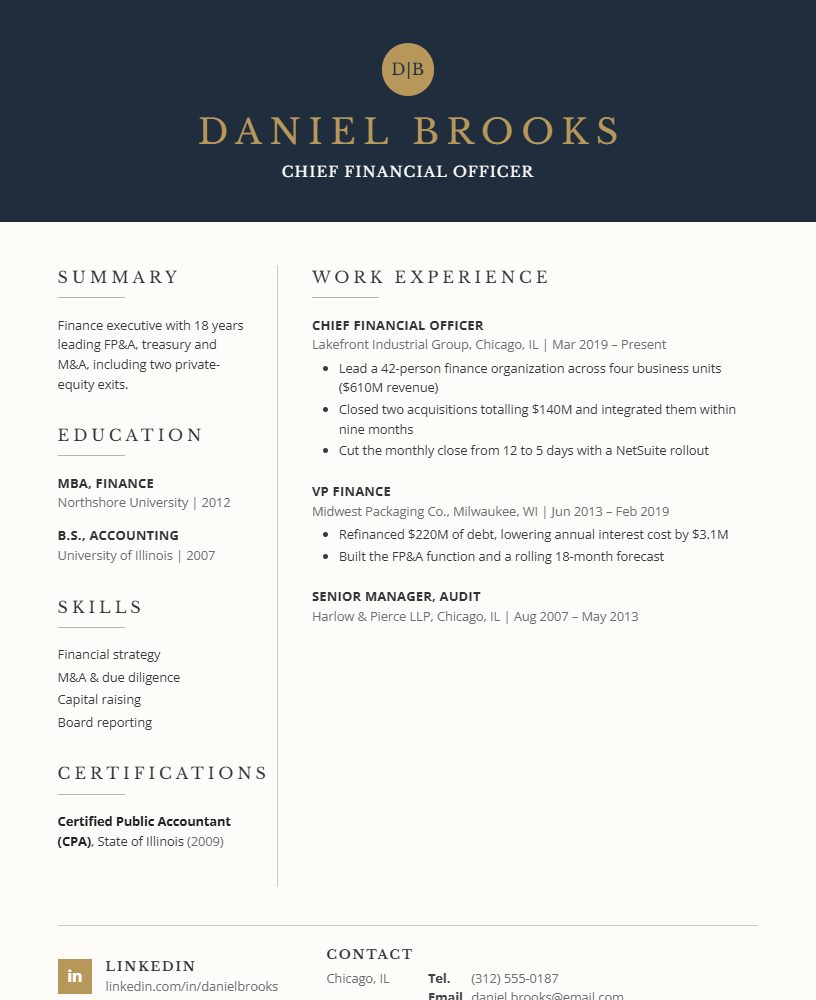
A two-column layout for CFOs, controllers and CPAs, best for applications sent through recruiters.
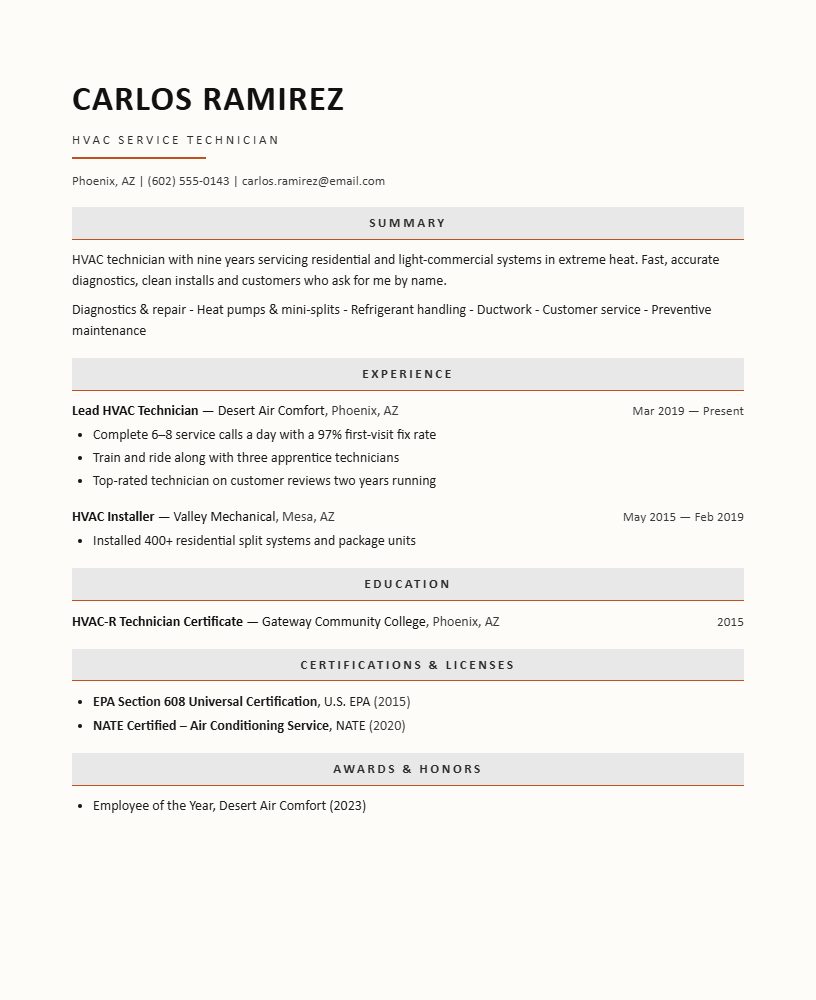
Certifications up front, for HVAC technicians (EPA 608) and maintenance roles.
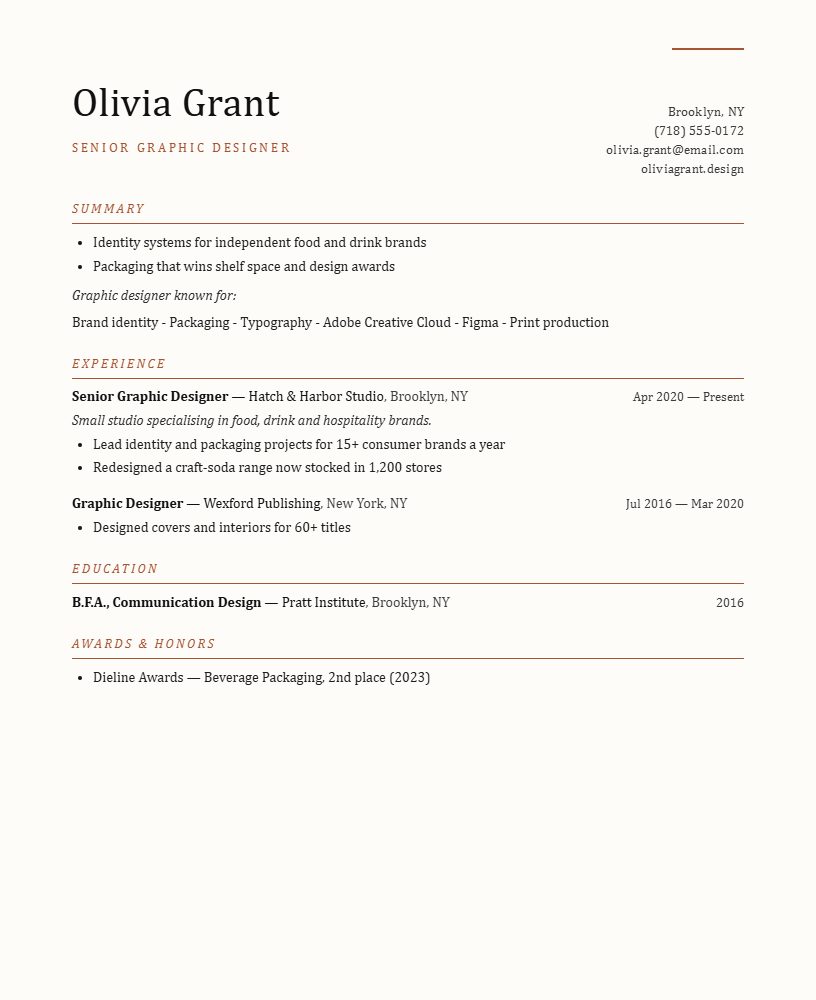
A magazine-style header for graphic designers and art directors.